
Maritime security · Armed conflict
Hormuz: In the narrow space between truce and escalation
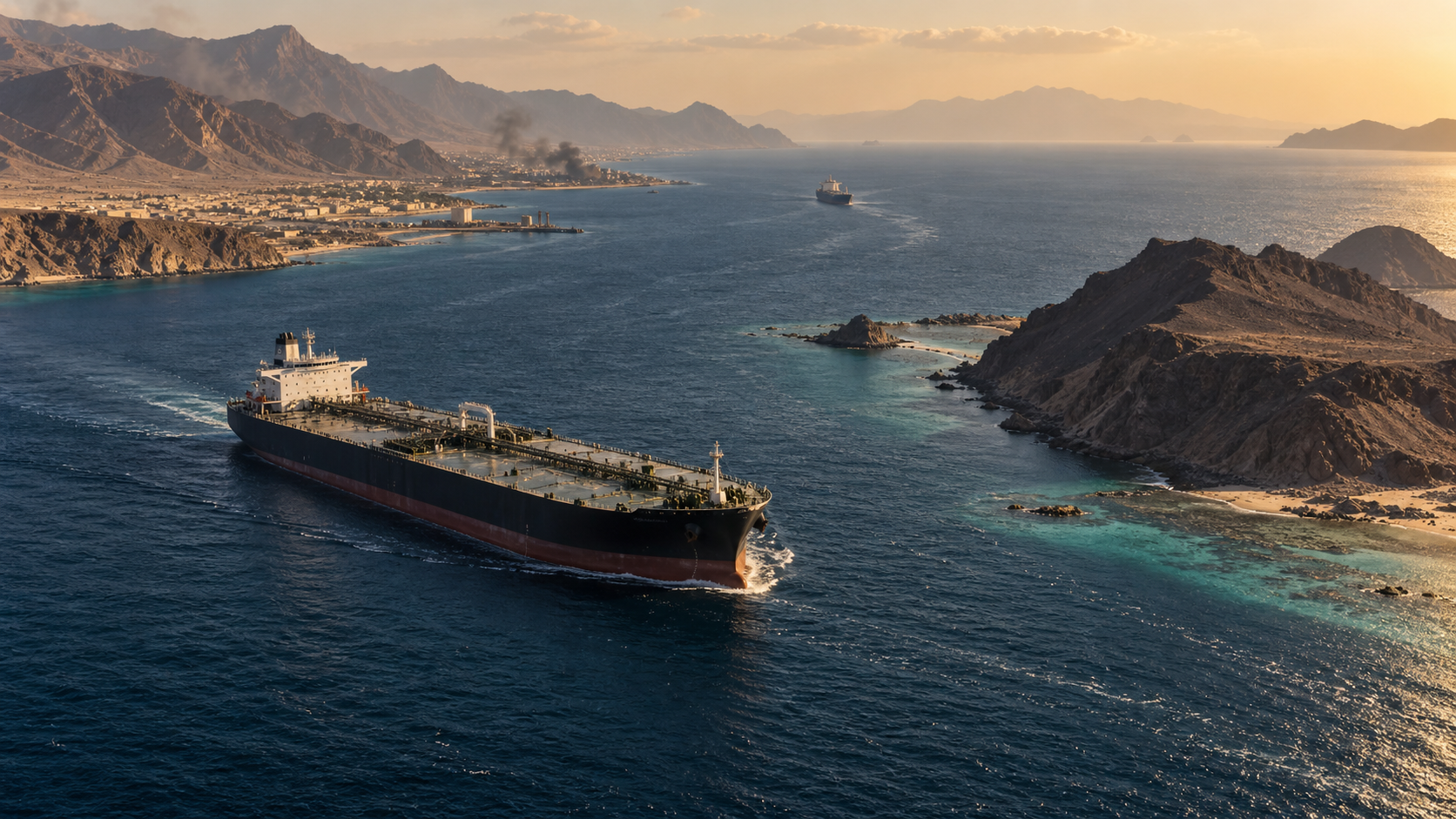
The June deal promised 60 days of safe commercial passage. Renewed attacks have left masters and operators weighing changing security advice, crew welfare and war-risk cover before each transit.
The ceasefires left the security problem unresolved
The Strait of Hormuz has never formally closed. Merchant vessels retained the right of passage, Gulf ports continued to operate and the UN Security Council called on all parties to respect freedom of navigation. For operators, however, the legal status of the strait stopped being the main question. What mattered was whether a vessel could pass without facing attack, detention or a military miscalculation.
The US-Iran memorandum signed on 17 June exposed that weakness. Iran undertook to use its “best efforts” to arrange safe commercial passage for 60 days, while later talks with Oman would address the future administration of the strait and maritime services. The agreement gave commercial traffic a way back through Hormuz, but created no neutral mechanism to protect it.
UN Security Council Resolution 2817 accused Tehran of obstructing navigation, while US military action and the blockade of Iranian ports made Washington the other principal belligerent. Safe passage therefore depended on restraint by the same two states fighting around the strait.
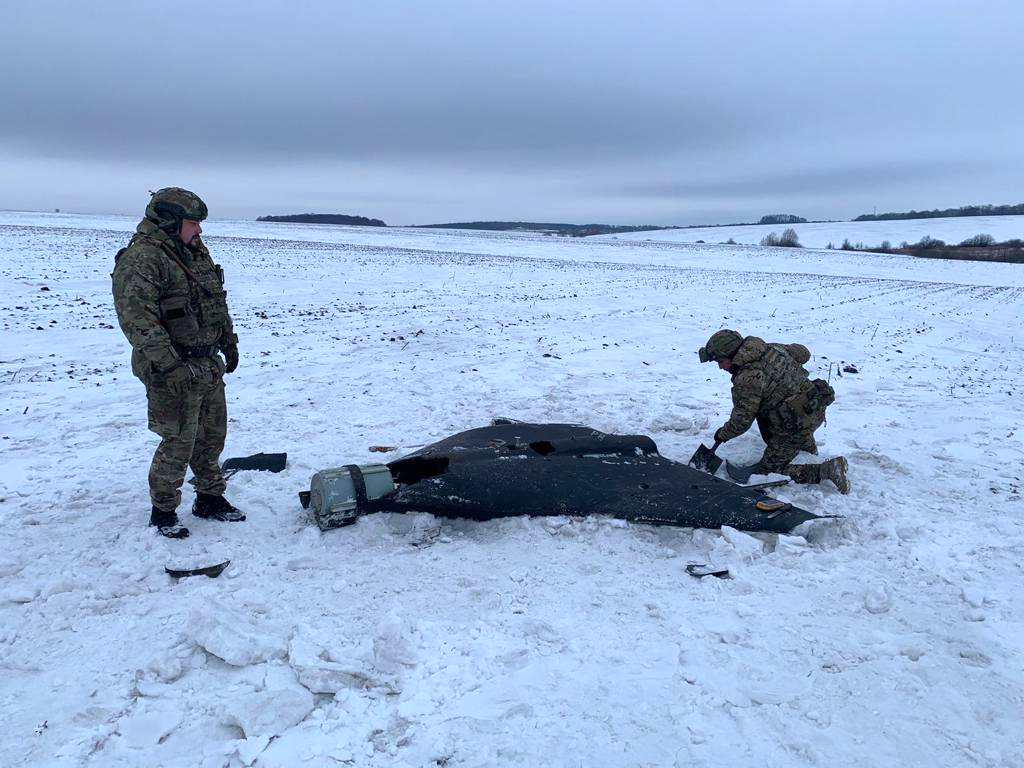
By 28 August, the IMO had verified at least 70 attacks on commercial vessels and the deaths of 19 seafarers during the six-month crisis. Two days later, US forces struck Iranian rocket launchers near the strait, saying they threatened shipping. Iran announced retaliatory attacks on US sites in Jordan. The exchange ended another lull and showed that the ceasefire could interrupt fighting without preventing it from restarting.
The IMO had helped 136 vessels and an estimated 2,900 seafarers leave the area by June before another attack forced it to suspend the evacuation framework. Its continuing updates show how much safe access still depends on the timing of a transit and the conditions around it.
A ceasefire does not make an individual transit safe
A ceasefire announcement does not make an individual transit safe. At the entrance to the strait, the master and shore-based operator still have to consider current naval advisories, incident reports, flag-state guidance, crew readiness, insurance cover and the options available if the situation deteriorates. A change in any one of those factors can stop a voyage that remains legally permitted.
Oil prices can fall immediately after a truce while war-risk cover remains restricted. A flag state may permit passage while an operator’s security team advises against it. A port may remain open even when crews cannot rotate or rely on medical evacuation and onward flights. When these conditions point in different directions, operators can delay, reprice or refuse individual voyages even as overall traffic begins to recover.
Crews bear much of that pressure. Repeated warnings, postponed departures and changing instructions create fatigue long before a vessel suffers physical damage. Looking only at the risk of hull loss or delay misses the welfare, medical and retention consequences of keeping seafarers in a high-threat corridor. The IMO’s six-month assessment puts that human cost at the centre of the crisis.
Falling prices do not mean the risk has passed
Hormuz carries a large share of the Gulf’s crude oil, condensate, petroleum products and LNG. The route does not need to close completely to disrupt those flows. The US Energy Information Administration found that Brent traded between USD 72 and USD 118 per barrel during the second quarter, while global crude inventories declined by an average of 5.1m barrels a day as buyers looked for alternatives and producers shut in some regional output.
Its July review records the impact of intermittent attacks rather than a complete closure.
Alternative pipelines and export terminals give some producers more flexibility, but they cannot replace the full capacity of the strait. Refiners face different constraints depending on the grades they need and the routes available to them, while Asian buyers may have fewer convenient substitutes than buyers elsewhere. A hedge against higher benchmark crude prices will not necessarily cover rising freight costs, shortages of a particular product or wider spreads between regional grades.
Insurance and contract terms can make the disruption more expensive. War-risk premiums, exclusions and notice requirements can change within days, while charter parties and supply agreements allocate obligations over much longer periods. After a delay, parties may disagree over whether a port was safe, whether diversion was reasonable or whether force majeure applies. What they did, and how they documented those decisions, may matter as much as the formal status of the strait.
A counterparty’s ability to absorb a delay may also matter as much as the rights written into the contract.
The consequences extend beyond shipping. A maritime incident can close airspace, disrupt staff movements, alter port procedures and trigger civil-defence measures. Renewed fighting may also lead to further sanctions or tighter enforcement against maritime, banking and energy intermediaries. For Gulf states that have invested heavily in logistics, aviation, tourism and industry, repeated disruption at Hormuz tests much more than the movement of oil.
Iran, or another actor trying to gain leverage in the strait, does not need to sustain a blockade to slow traffic. A detention, a credible mine warning or even a false report that takes several hours to disprove can trigger another round of security reviews. Every alert costs operators time and money before anyone establishes whether the threat was real.
What would make Hormuz reliable again
Commercial operators are unlikely to treat Hormuz as routine again until vessels of different classes have completed sustained, uneventful transits; flag states stop repeatedly changing their advice; evacuation arrangements remain available; and insurers ease war-risk terms for more than a brief period. Reporting channels also need to resolve conflicting claims quickly enough to prevent rumours from disrupting traffic.
When an attack does occur, the principal parties would need to accept a credible investigation without immediately returning to military action.
Over the next four to eight weeks, irregular passage and repeated diplomatic bargaining remain more plausible than a steady return to normal traffic. Temporary lulls may create windows for groups of vessels to transit and bring war-risk costs down from crisis peaks. The 30 August exchange nevertheless showed how quickly a perceived threat can bring military action back to the strait.
A mass-casualty attack, a strike on energy infrastructure or an incident wrongly attributed to one side would carry a much greater risk of sustained escalation.
Companies should distinguish between their long-term dependence on the Gulf and the decision to make a particular transit. The region may remain indispensable even when the evidence argues against a specific sailing. Contingency plans should identify the routes, grades, ports, personnel and contractual commitments that cannot readily be replaced, then define which developments would trigger delay, diversion or a return to normal operations.
Companies should track verified attacks and detentions, IMO and flag-state guidance, war-risk pricing, port and airspace restrictions, and the response to the next disputed incident. Until those indicators begin pointing in the same direction, another truce should be treated as an operating window, not a return to normal passage.
Speak with our analysts
What does this mean for your organization?
If developments in the Strait of Hormuz could affect your operations or plans, our analysts can help you interpret the changes and decide what to monitor next.
Contact our analysts