
Defence production · Armed conflict
After Ankara, Ukraine’s air-defence test moves to the factory floor
NATO has given manufacturers greater confidence that demand will last. Ukraine still needs interceptors faster than current production can replace them, and some of the hardest constraints lie with component suppliers rather than the largest defence companies.
Ankara made demand clearer, not delivery faster
Alliance commitments are made over years. Ukraine measures its air-defence position against the next Russian salvo and the interceptors available that night. Ankara strengthened the long-term outlook for demand without closing the immediate delivery gap.
In its 8 July declaration, NATO announced more than USD 50bn in new procurement, promised to expand manufacturing capacity and pledged EUR 70bn in military equipment, assistance and training for Ukraine in 2026. The alliance intends to provide at least as much in 2027 and explicitly named integrated air and missile defence as a priority.
For manufacturers, the scale and duration of those commitments matter. Companies asked to invest in new facilities, specialist workers and suppliers need confidence that demand will last beyond the next budget or battlefield emergency. The Ankara commitments make continued allied spending more credible and give companies a stronger basis for investing in additional capacity.
But an alliance-wide spending figure does not tell Ukraine when a particular interceptor, launcher or radar will actually arrive.
A week after the summit, NATO’s Deputy Secretary General described air defence as an urgent focus of the Prioritised Ukraine Requirement List and stressed the immediate need for interceptors. Her remarks confirmed that political commitment had not yet produced operational availability.
Russia can adapt faster than production can expand
Ukraine combines high-end Western systems with shorter-range weapons, electronic warfare, mobile teams and legacy equipment. The layered network has denied Russia uncontested use of the air, but it also forces Ukraine to decide which threats justify its most expensive interceptors.
Commanders may need to reserve an expensive missile for a high-value target while Russia uses cheaper drones and decoys to drain magazines, identify firing positions or divert attention from the main strike.
Russia can adjust the composition, timing and direction of its attacks more quickly than manufacturers can commission a new production line. Ukraine continually adapts how it detects and engages threats. Comparing stockpiles alone can therefore be misleading: even rising deliveries may not improve protection if Russia increases the scale or complexity of its attacks faster.
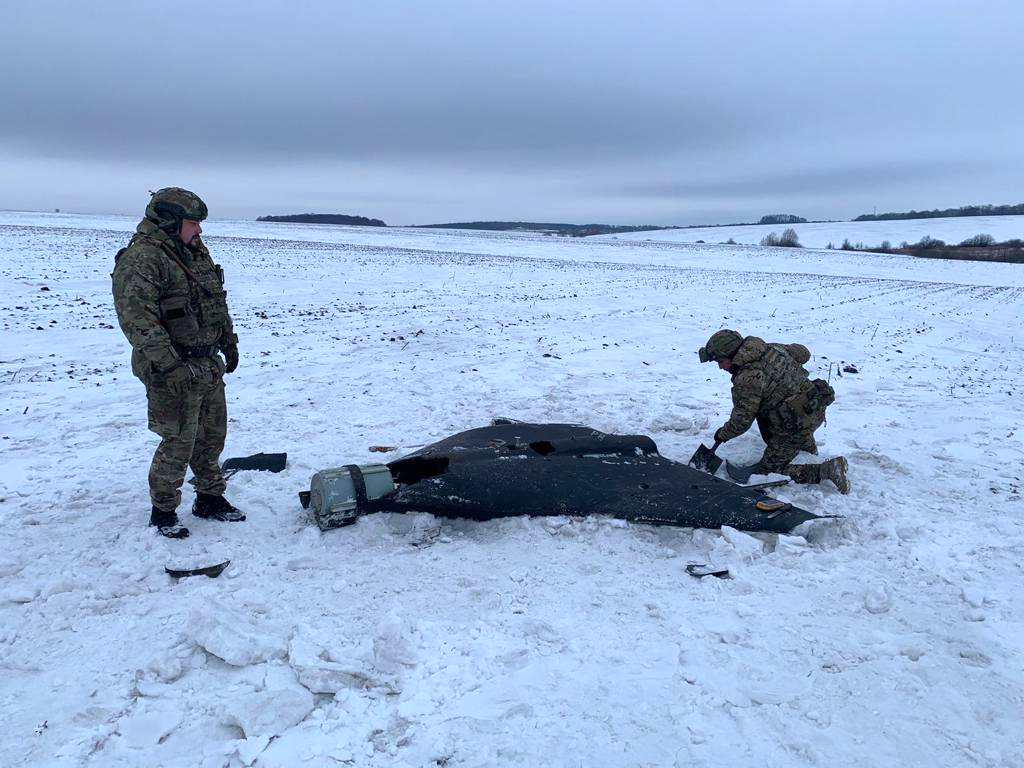
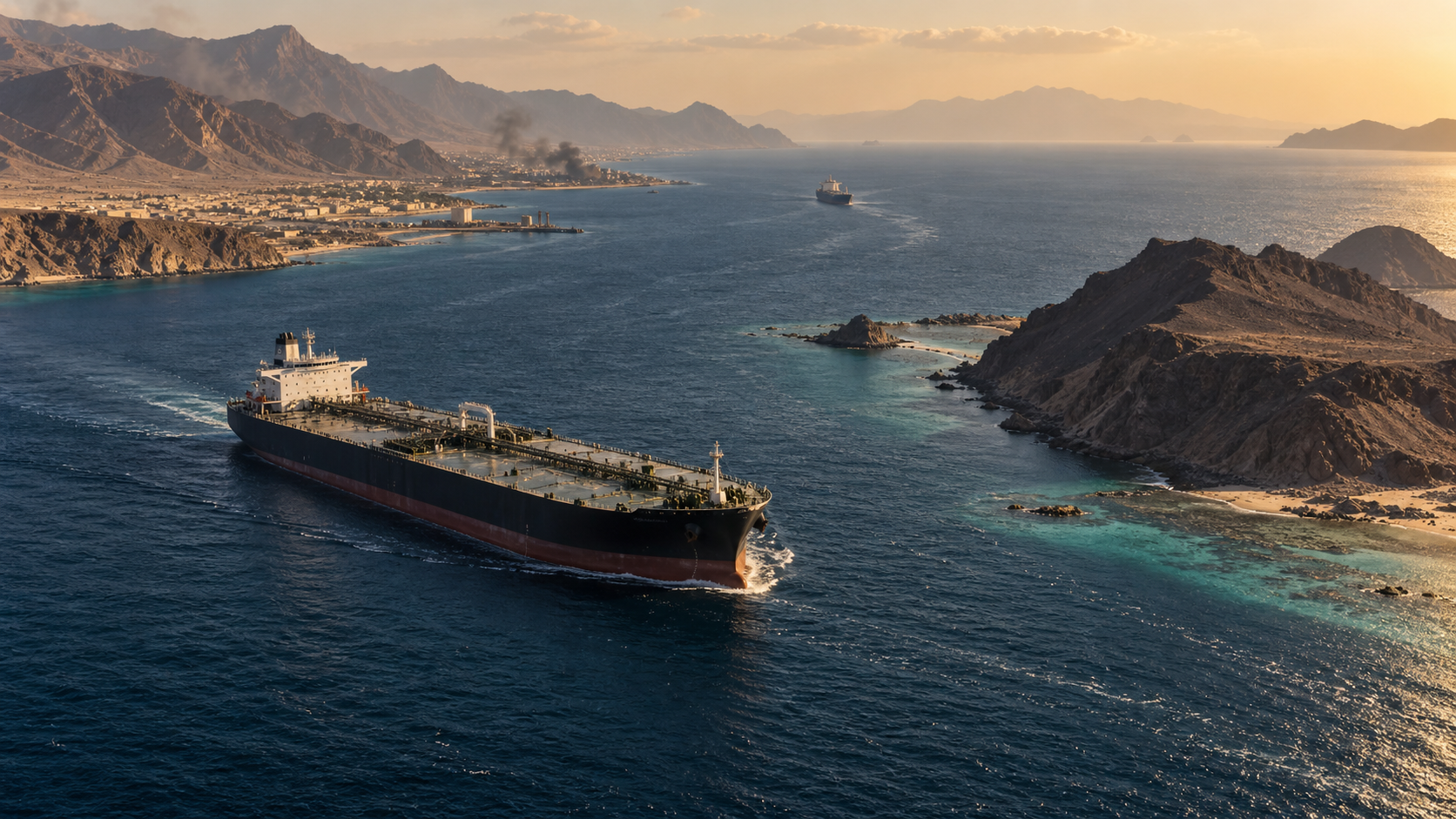
The human cost gives the industrial debate its urgency. The UN Human Rights Monitoring Mission recorded at least 437 civilians killed and 2,610 injured in July, the highest monthly death toll since May 2022. Long-range missiles and drones caused 38% of those casualties. The mission also reported intensified attacks on vessels and port infrastructure in the Odesa and Mykolaiv regions.
Its July update connects interceptor shortages directly to life in cities, the resilience of the power system and the movement of agricultural exports.
Distance from the front is also a poor guide to security. A factory hundreds of kilometres from ground fighting can still lose power, rail access or staff after a long-range strike. Ukraine also moves air-defence coverage as Russia changes its targets and interceptor stocks fluctuate.
Reconstruction plans cannot therefore assume that the level of protection available to an area today will remain the same.
The real bottleneck may be a small supplier
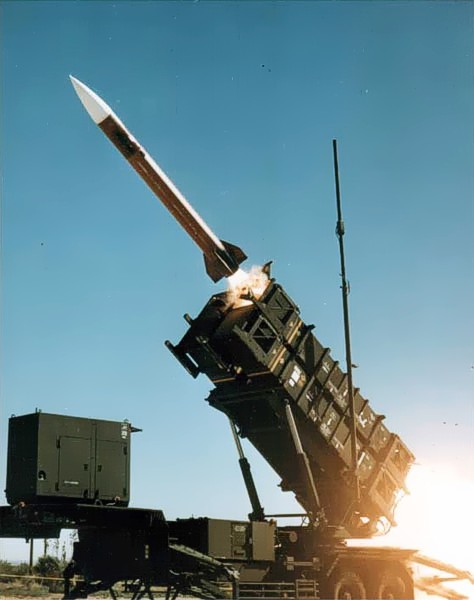
The clearest evidence of progress will come from actual orders. Ankara produced several concrete steps: NATO’s procurement agency said it was acquiring 700 Patriot PAC-2 and 200 PAC-3 missiles; Belgium and the Netherlands opened a joint purchase of air-defence systems; seven allies launched a project focused on lower-altitude threats; and Rheinmetall Italia said it would double capacity at its Rome air-defence plant.
Those announcements tell us more than the USD 50bn summit figure because they identify what is actually being bought and who is expected to produce it.
None of them, however, provided delivery schedules for the Patriot orders or turned the multinational projects into systems available in the field. Two governments can agree to buy the same system without securing space on a production line. Rheinmetall’s planned expansion also covers only one part of the industrial base.
The initiatives show credible progress, but an announcement is not an interceptor available to Ukraine.
Final assembly is only the visible end of production. Interceptors also depend on propulsion, seekers, electronics, explosives, specialist materials and testing capacity. Each relies on its own suppliers, export rules and skilled workers. A shortage in any one of them can limit output even when the main factory has room to expand.
Governments and investors therefore need to look across the entire supply chain, including smaller companies that may have full order books but limited capital to increase production.
Expansion will also create new targets for espionage, cyberattack and physical disruption. Factories and transport links require protection, skilled workers need clearances and sensitive inputs cross borders subject to national controls. Higher production will improve resilience only if the wider supply network can withstand those pressures.
NATO can pledge, but governments still place the orders
There is no single buyer behind the Ankara commitments.
NATO sets requirements and gives allies ways to pool demand. Its procurement agencies can aggregate and execute selected purchases. National governments still place many contracts, decide what they are willing to release from their own stocks and control export licences. The EU provides another source of financing for purchases for Ukraine and investment in European and Ukrainian production.
Treating these institutions as one buyer obscures where delay can occur.
A political commitment may therefore pass through several decisions before it becomes a signed order, a production slot and eventually a delivered system. Each stage can introduce its own delay.
Ukraine is becoming part of Europe’s defence industry
The European Commission’s 3 August disbursement began turning the defence portion of the Ukraine Support Loan into actual procurement. On 24 August, the Commission approved a further EUR 6.1bn specifically for air- and missile-defence systems, missiles, ammunition and radars, and called for deliveries through a combination of stock releases, reprioritised orders and higher production.
That funding is more relevant to Ukraine’s immediate needs than a broad spending commitment, although contracts and delivery dates still matter more than the headline amount. The Commission intends to direct up to EUR 28.3bn towards Ukrainian defence-industrial capacity during 2026.
Closer cooperation between Ukrainian and European producers could bring new systems into production faster and reduce reliance on allied stocks. It also raises difficult questions over intellectual property, procurement rules, governance and the physical protection of facilities inside Ukraine.
Licensing disputes or disagreement over where production should take place may still slow partnerships that appear efficient on paper.
For defence companies, Ankara improves the demand outlook while increasing expectations on delivery. Large companies will face greater scrutiny of actual output rather than announcements. Smaller suppliers may have to finance expansion before new contracts generate cash.
Banks and investors will need to distinguish durable capacity backed by repeat orders from facilities dependent on a single emergency purchase.
Infrastructure investors and insurers face a different timetable. Stronger Western support improves the longer-term case for reconstruction, but near-term strike risk remains severe and varies sharply by location and system. Electricity, rail, ports, telecommunications and defence-linked manufacturing each face different levels of protection and different repair requirements.
Confidence in Ukraine’s eventual reconstruction does not remove the need for caution around a specific asset today.
Delivery, not spending, will determine success
Europe will probably expand output without ending scarcity. Contracts and financing should increase, but Russian strike activity and competing allied needs will continue to force difficult allocation choices.
Faster pooled procurement, common specifications and investment in suppliers holding up production could improve that outlook, particularly if Ukrainian and European producers cooperate more easily.
National preferences, export controls and component shortages could still leave spending commitments far ahead of deliveries.
Companies and governments should judge progress by contracts signed, actual output and confirmed delivery dates; evidence that supplier bottlenecks are easing; the balance between interceptor use and resupply; changes in Russian strike tactics; and the protection available to power, transport and urban centres.
Ankara answered an important question about how much NATO intends to spend. What matters now is whether industry can turn that commitment into weapons faster than Ukraine has to use them.
Speak with our analysts
What does this mean for your organization?
If changes in Ukraine’s security environment or European defence production could affect your plans, our analysts can help you interpret the changes and decide what to monitor next.
Contact our analysts